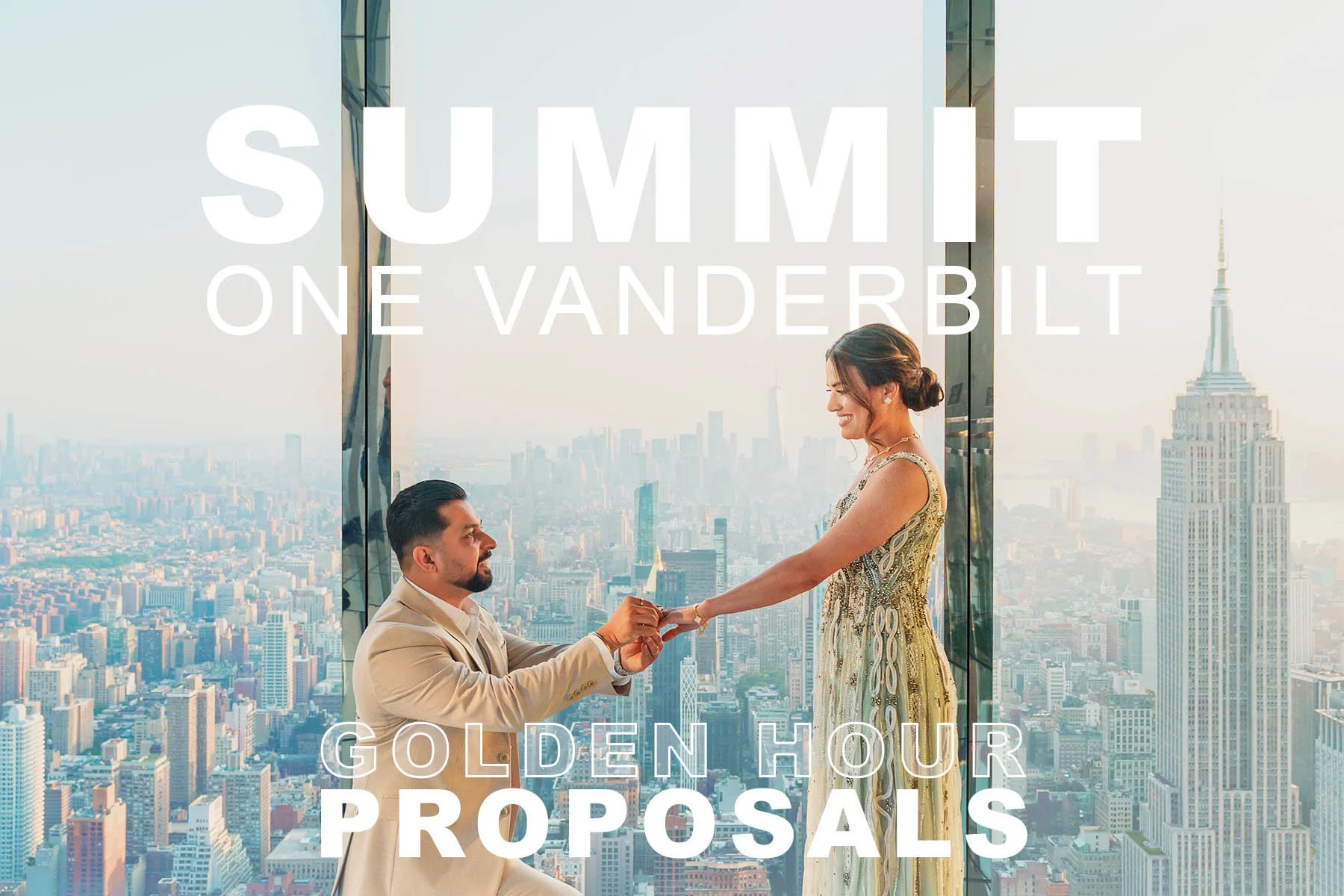
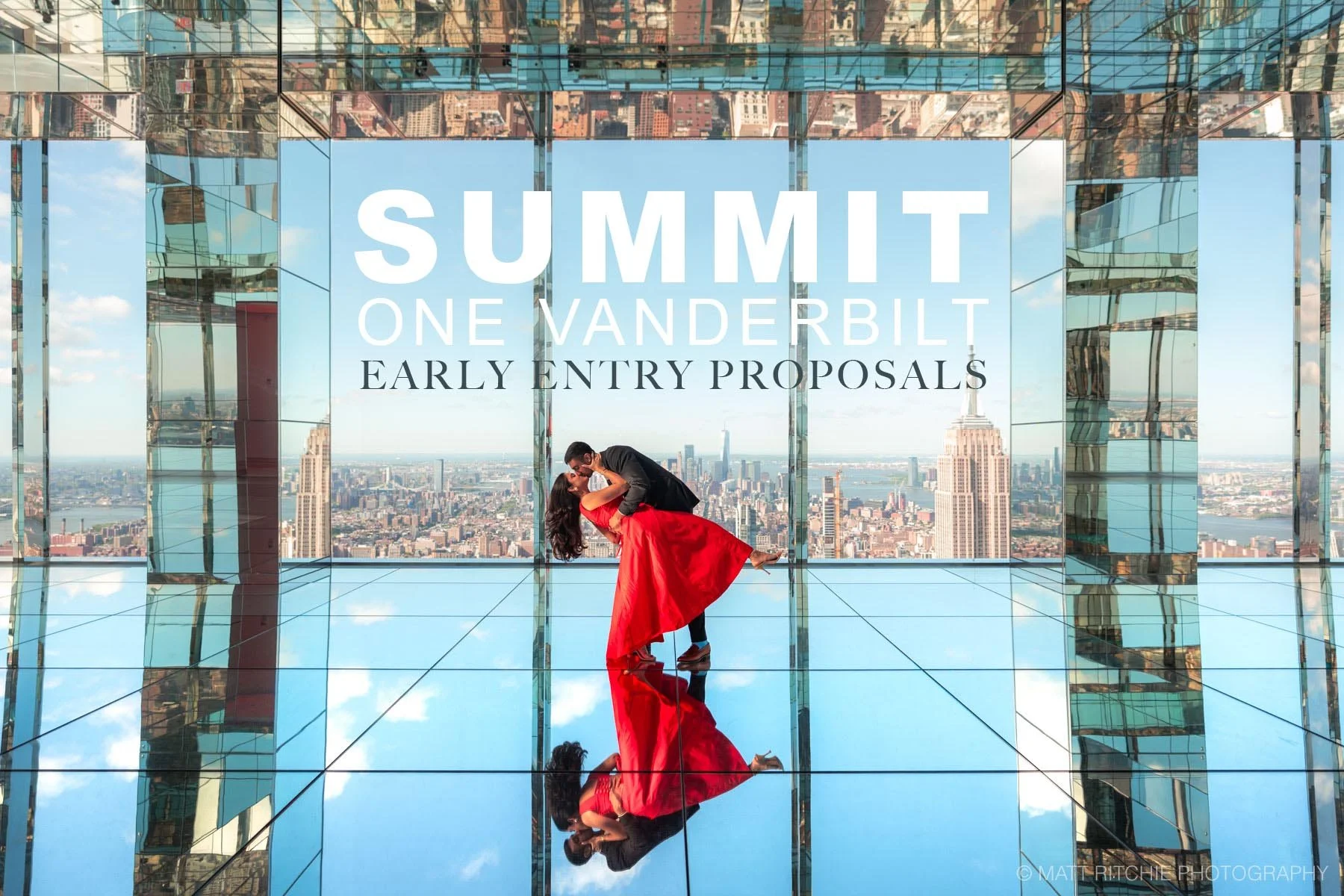
SUMMIT One Vanderbilt Proposal at Night: Everything You Need to Know
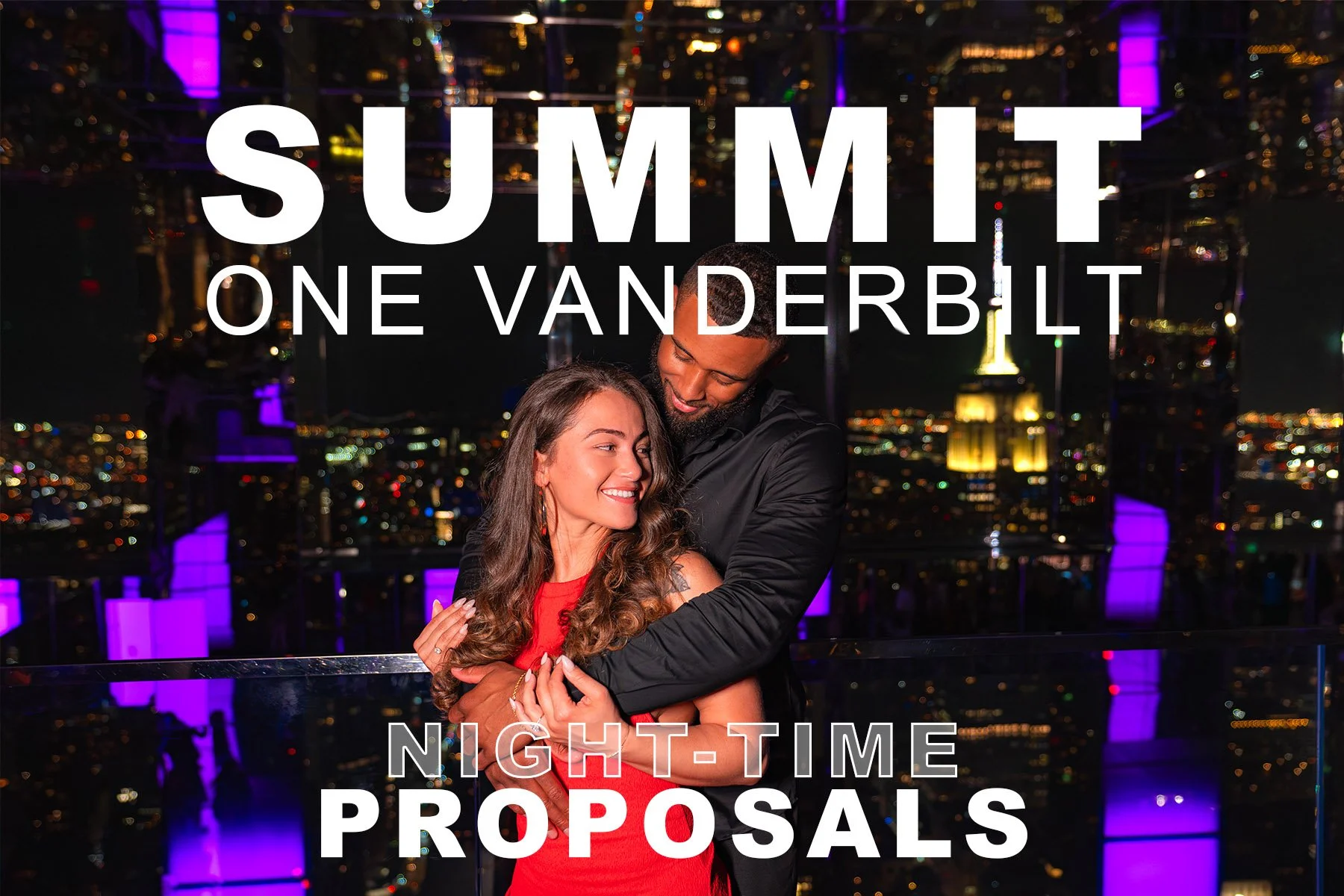
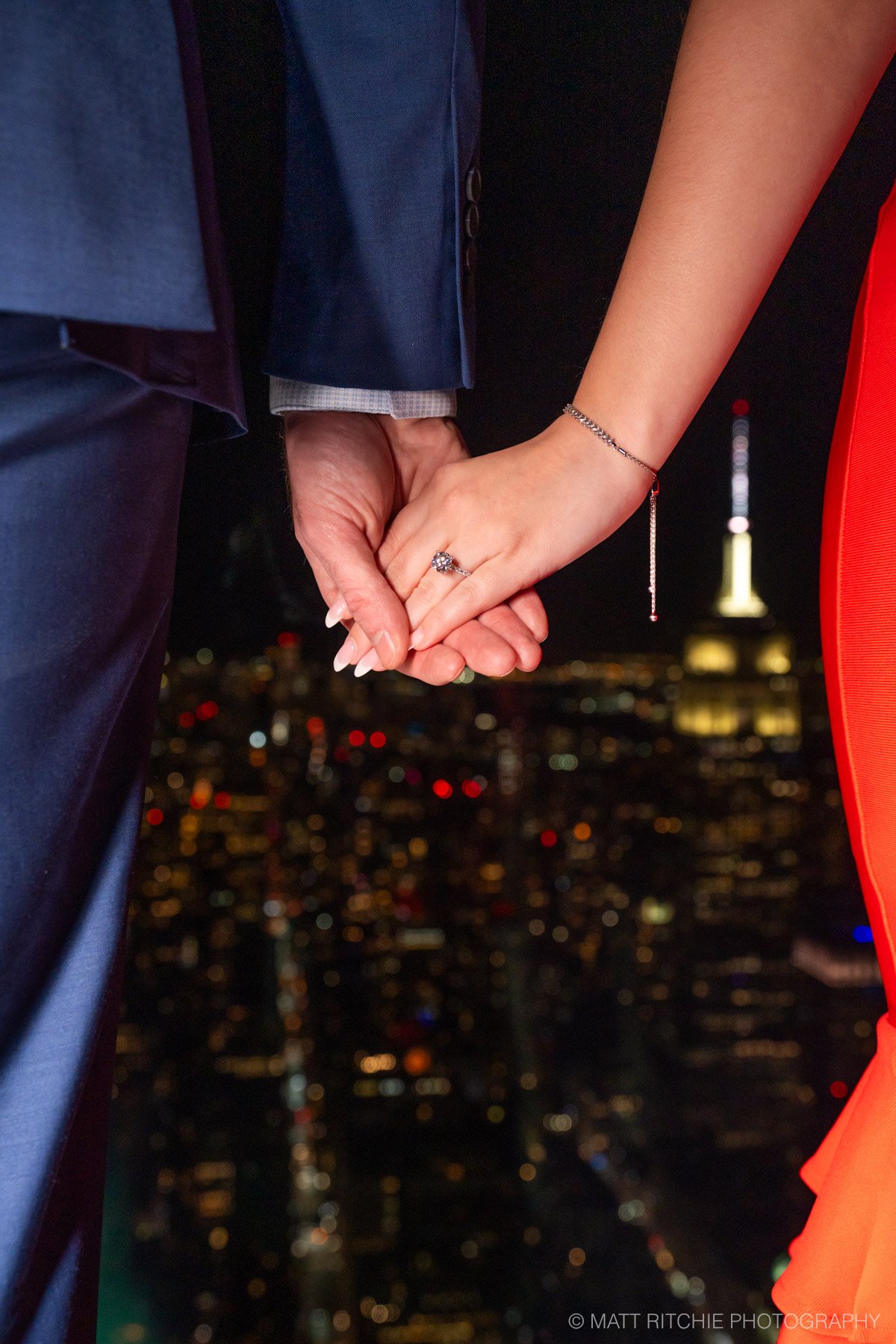
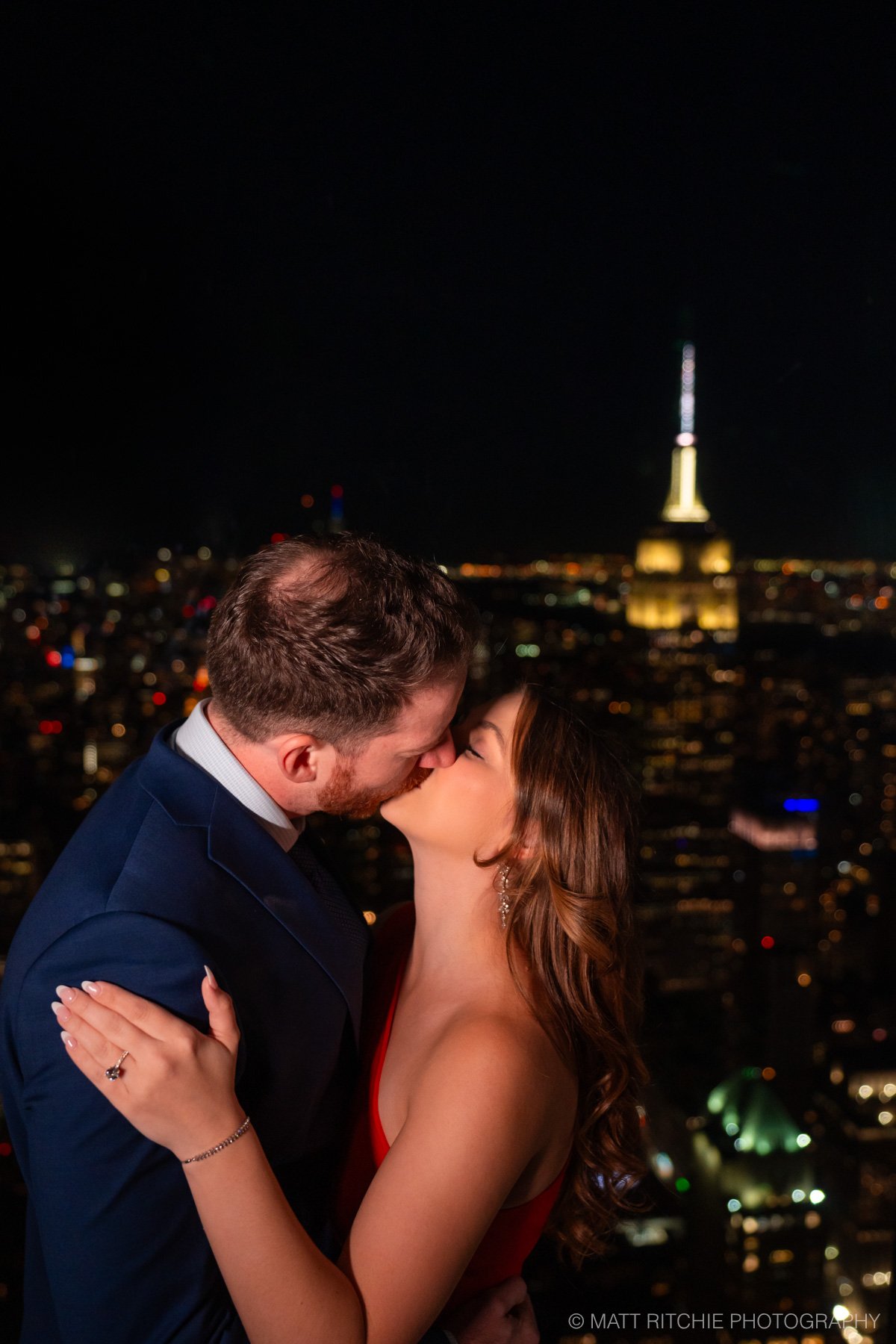
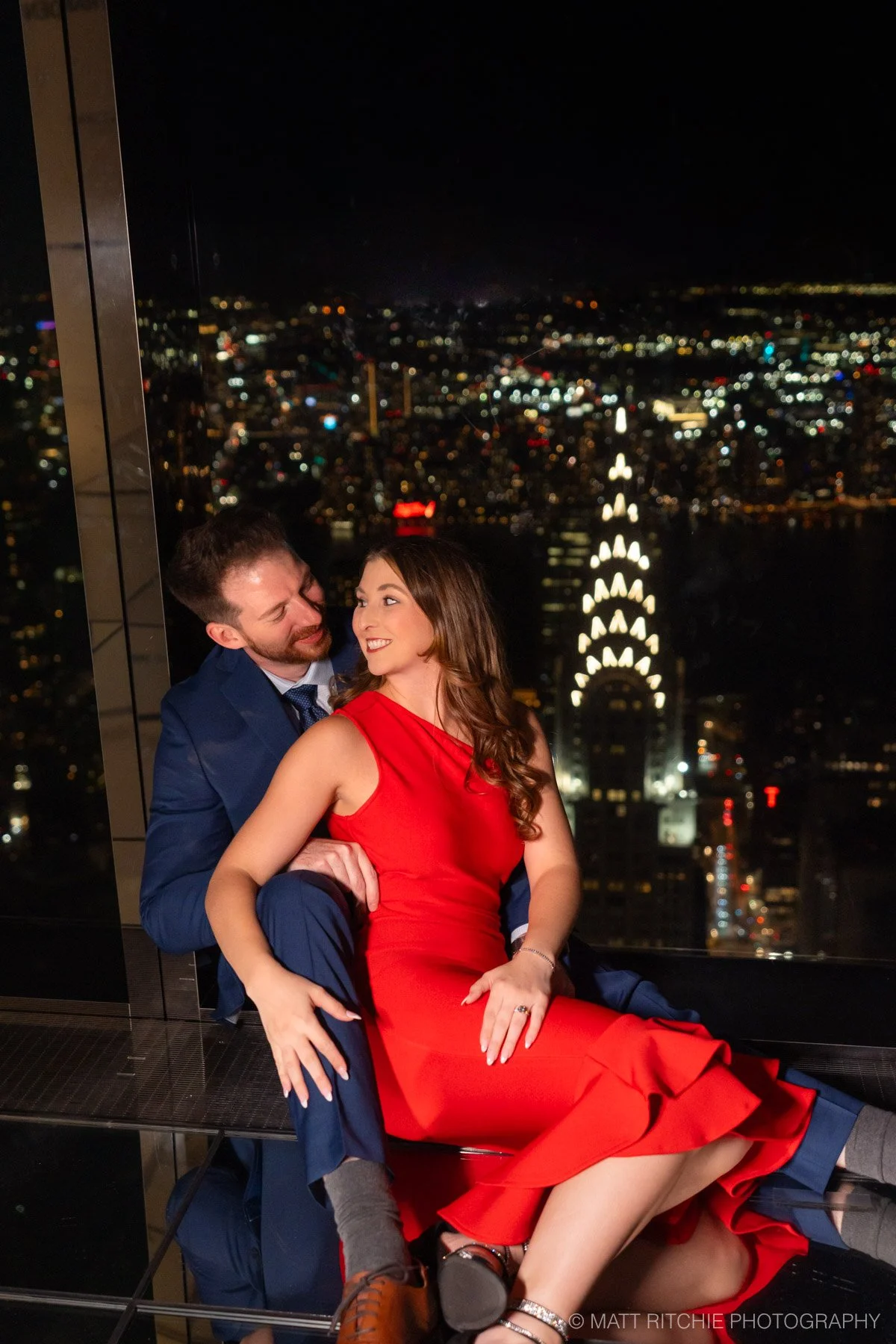
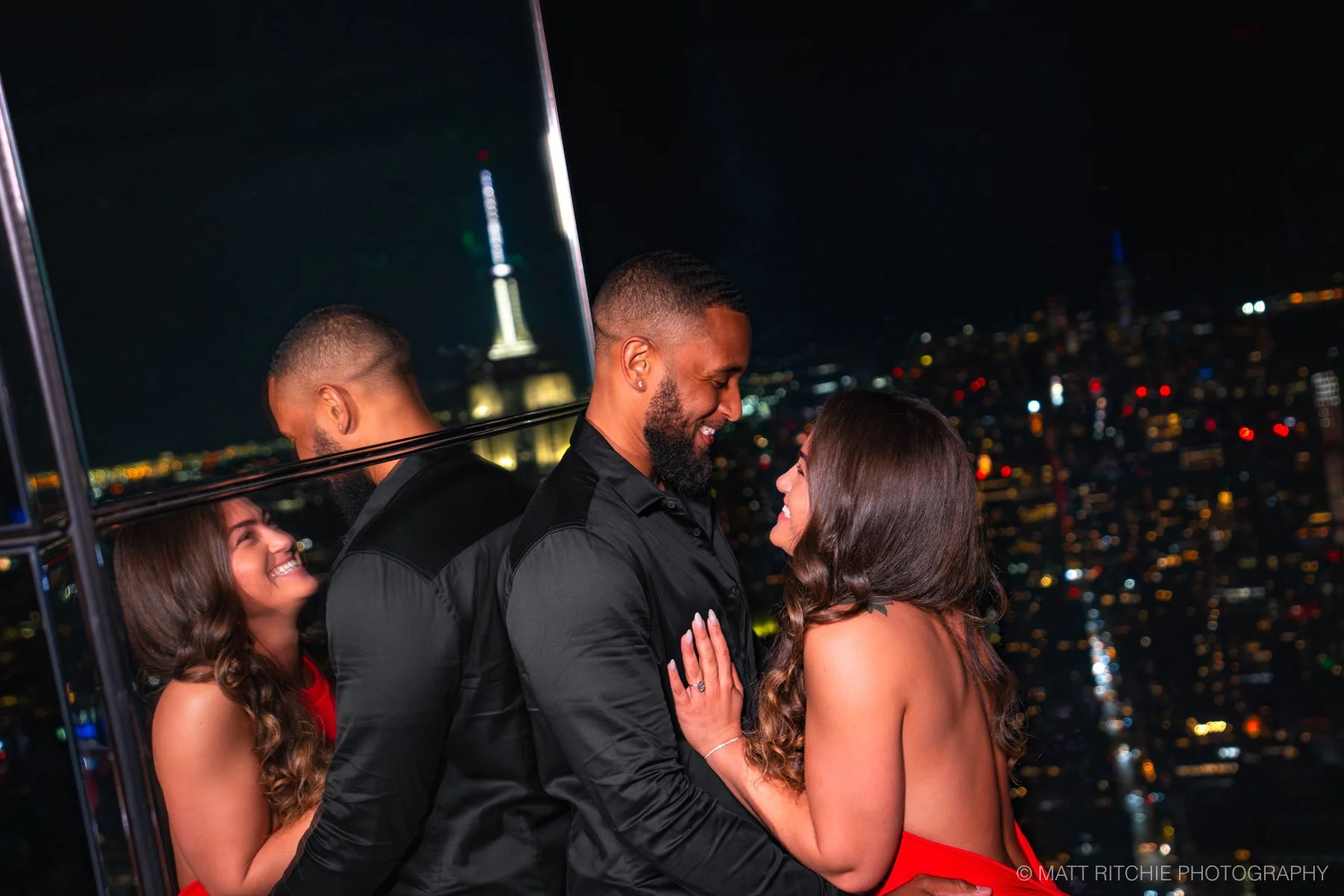
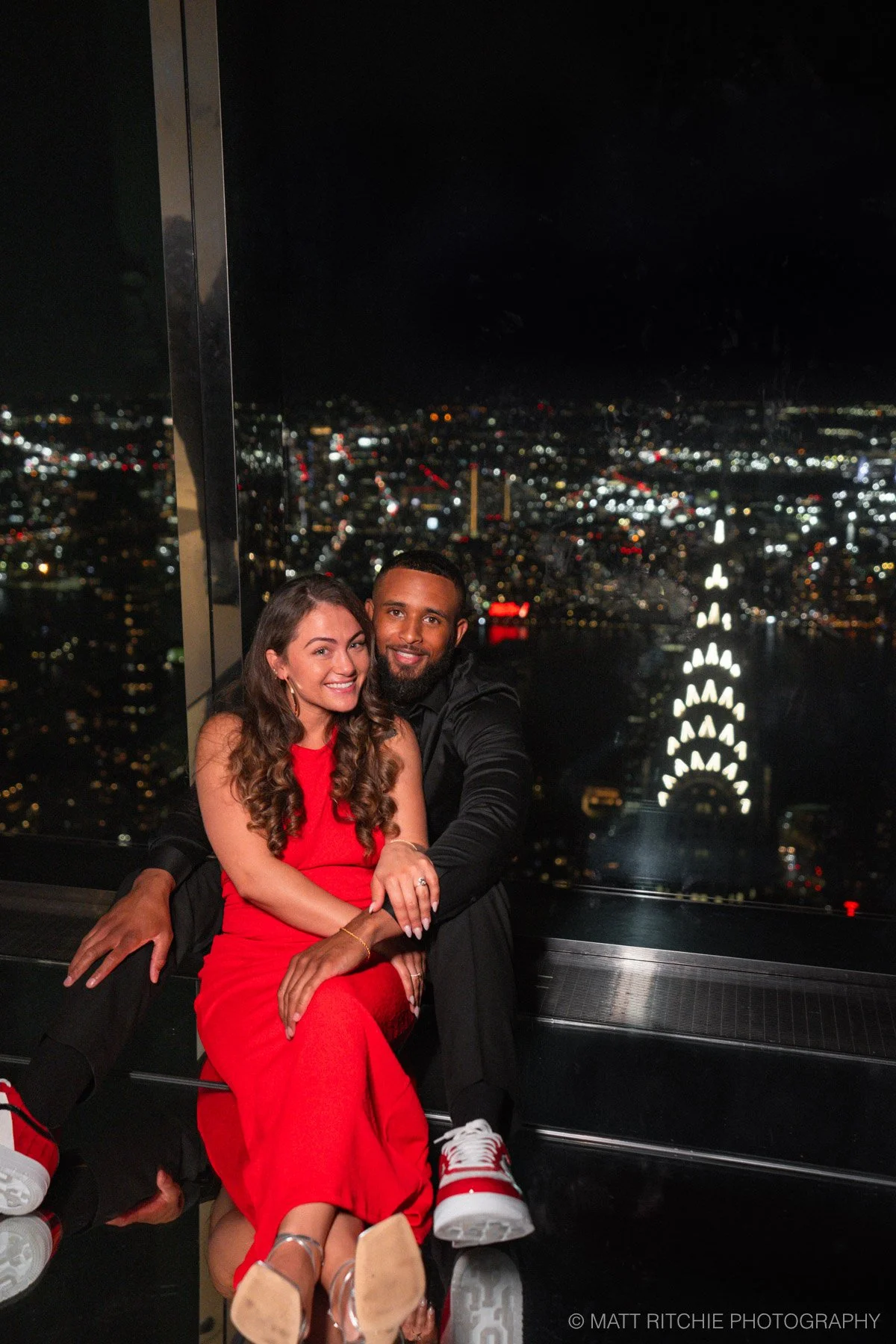
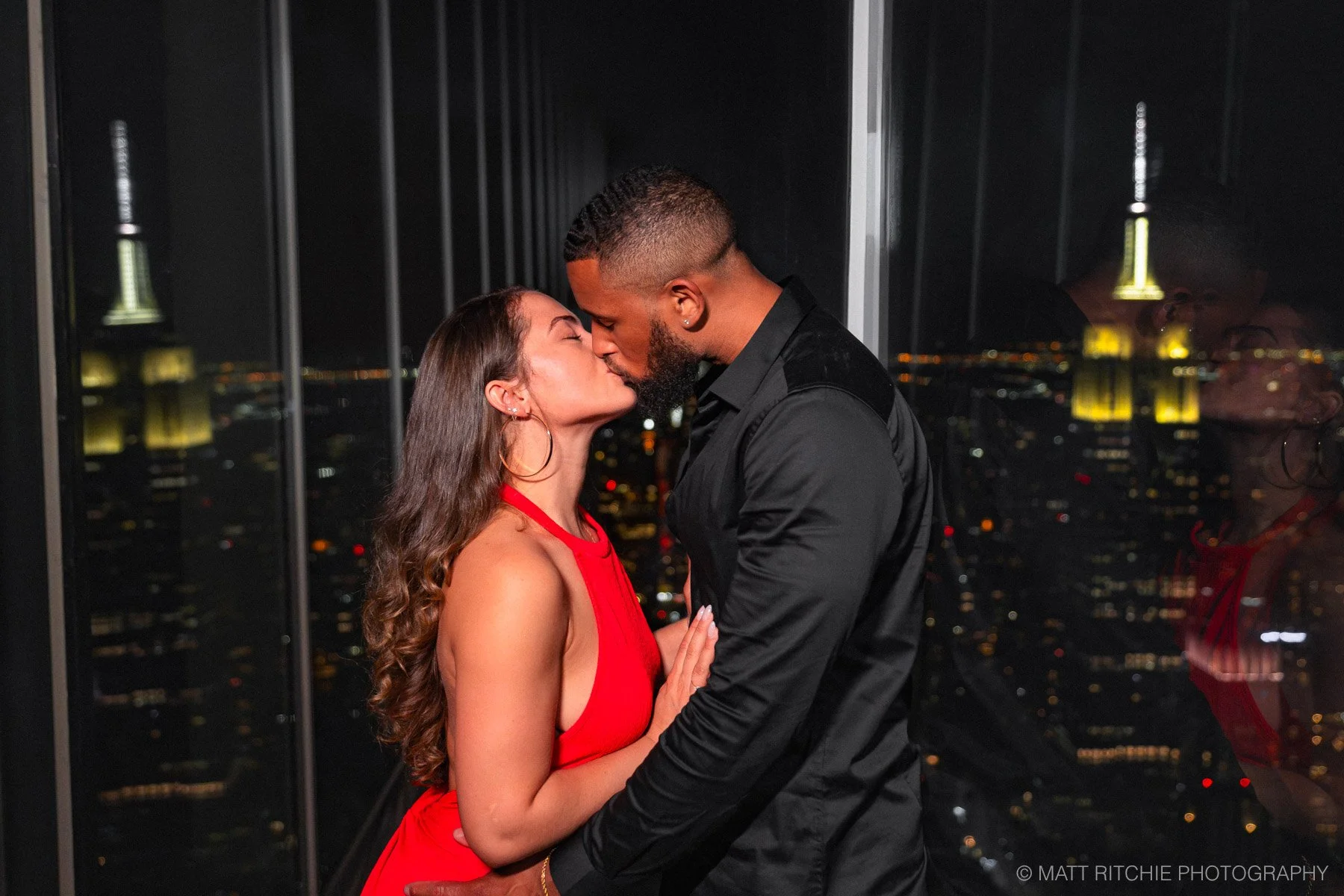
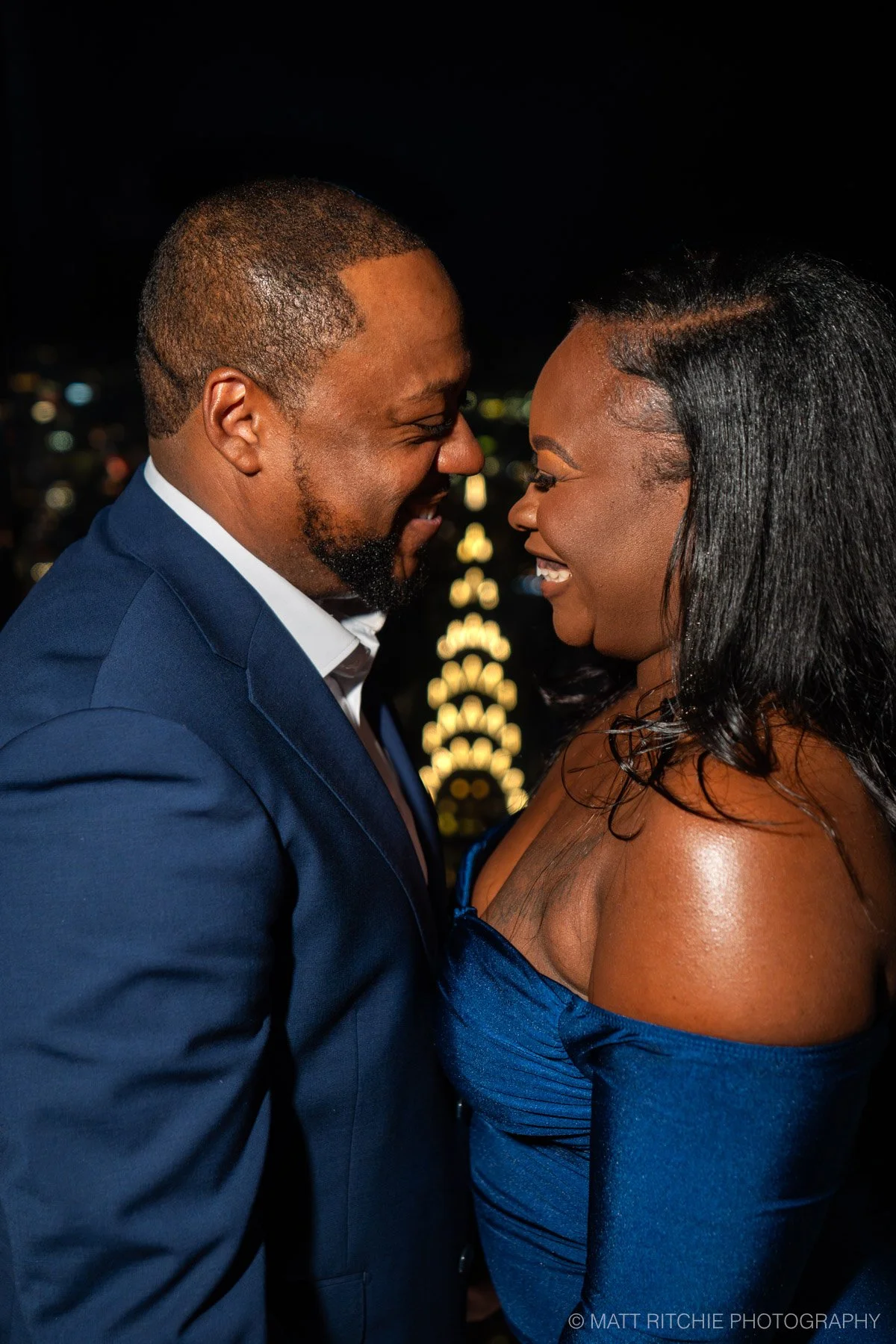
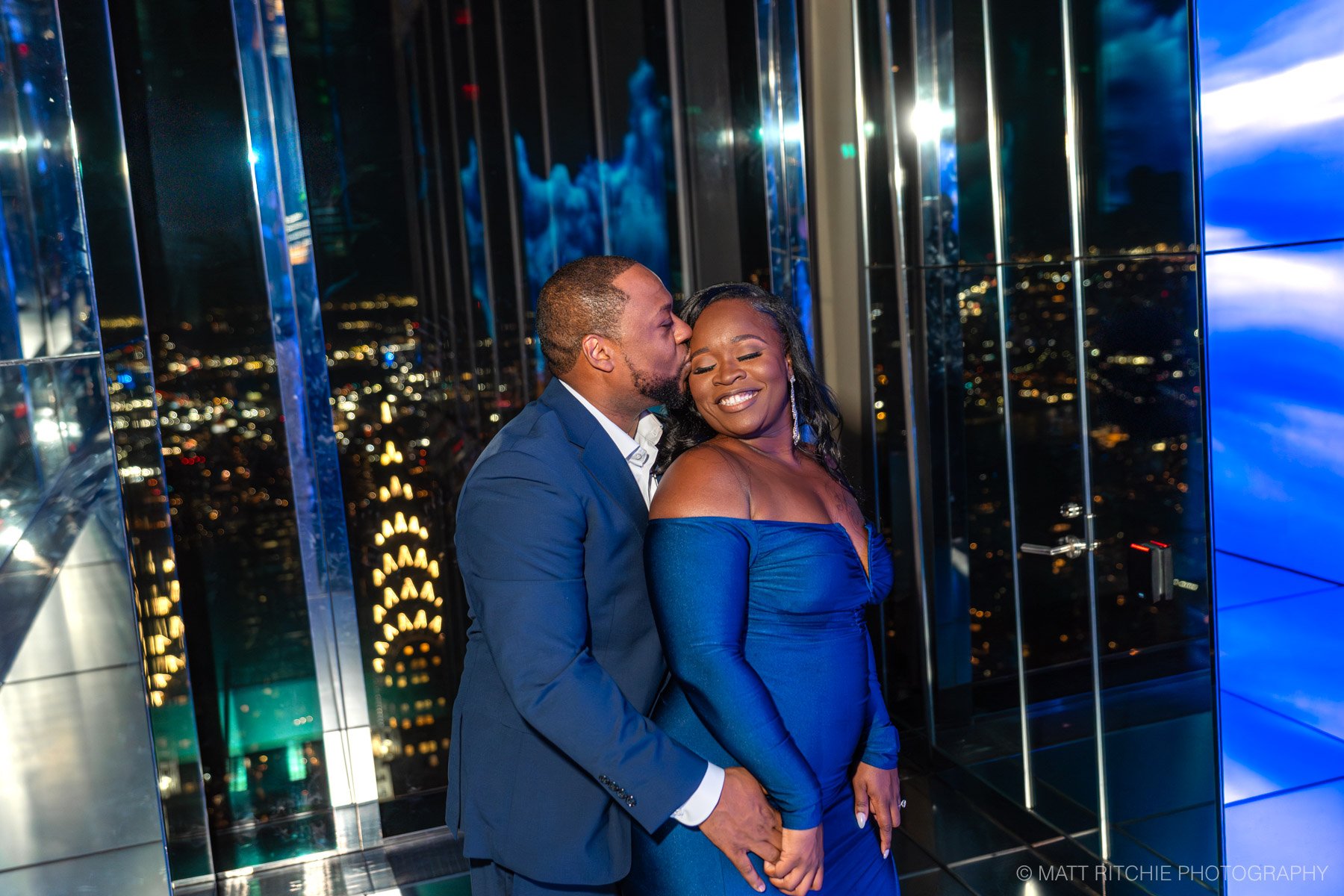
Proposing at SUMMIT One Vanderbilt at night offers a noticeably different experience than earlier in the day. From a photographer’s perspective, evenings bring a quieter atmosphere, softer reflections, and a skyline that feels fully lit and visually complete.
Why Night-time Works So Well at SUMMIT
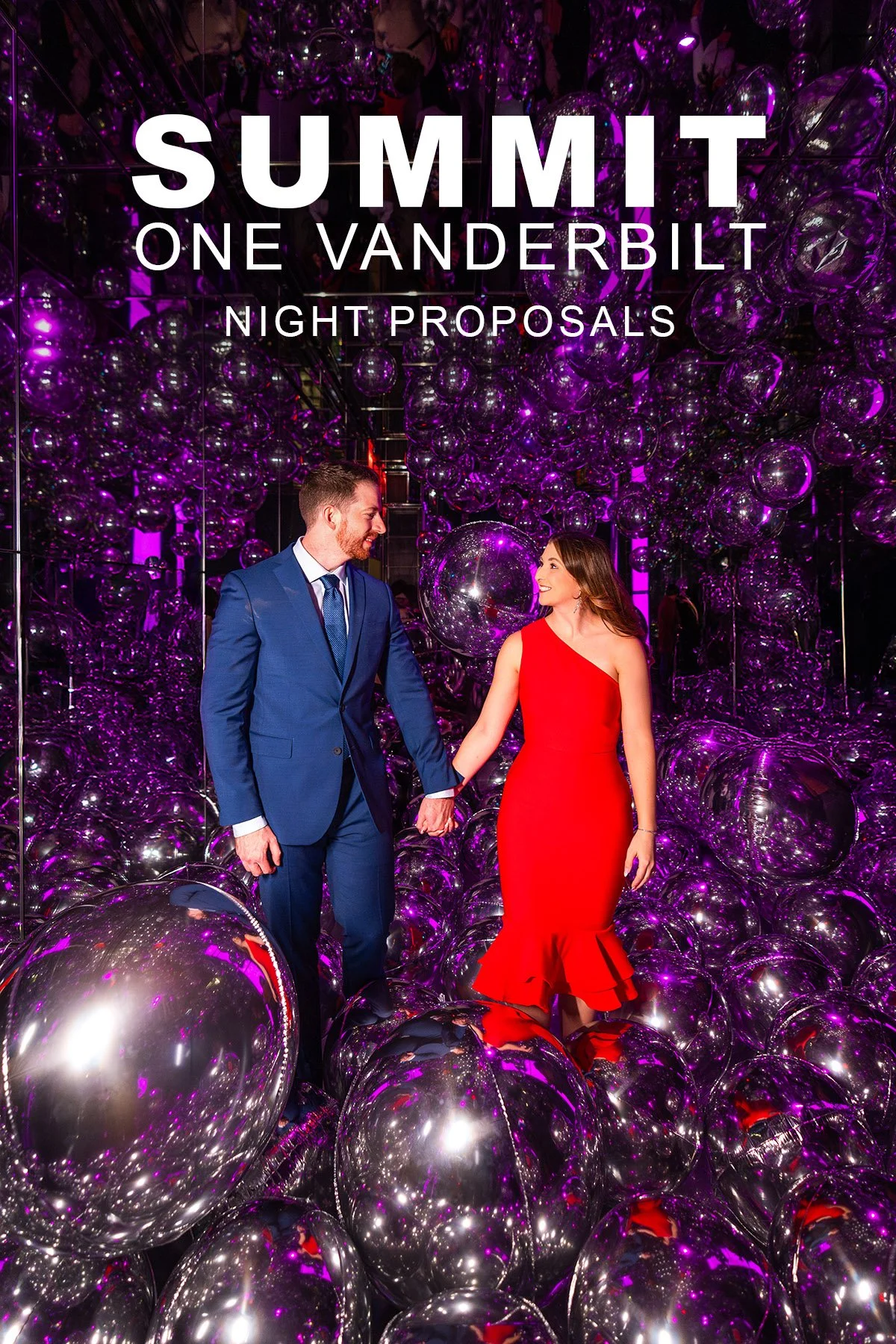
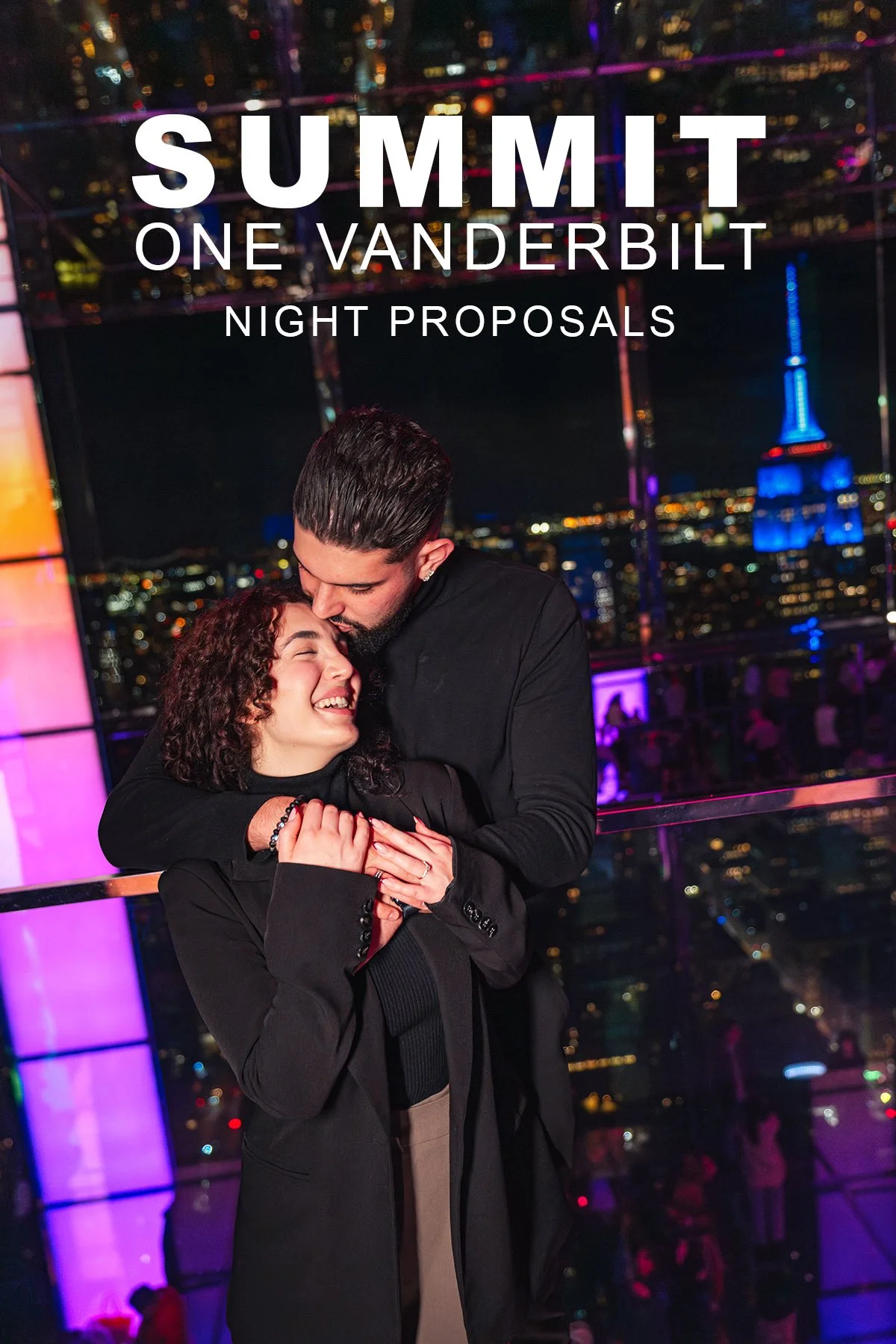
Once it’s fully dark, the skyline becomes the clear focal point. From behind the camera, this creates strong contrast and depth without pulling attention away from the moment.
Later evening hours also mean fewer people moving through the space. Transitions between rooms are slower, and it’s easier to find moments that feel contained and private. This makes a significant difference for proposals, especially for couples who want an iconic location without feeling watched.
SUMMIT is also largely an indoor experience, which makes it one of the most reliable proposal locations in New York City year-round. Weather has minimal impact, whether it’s cold, heat, or rain, allowing plans to stay consistent.
What the Late Evening Experience Feels Like
By late evening, the overall pace inside SUMMIT has slowed. Guests move more deliberately, and there’s more room to pause without constantly adjusting around others.
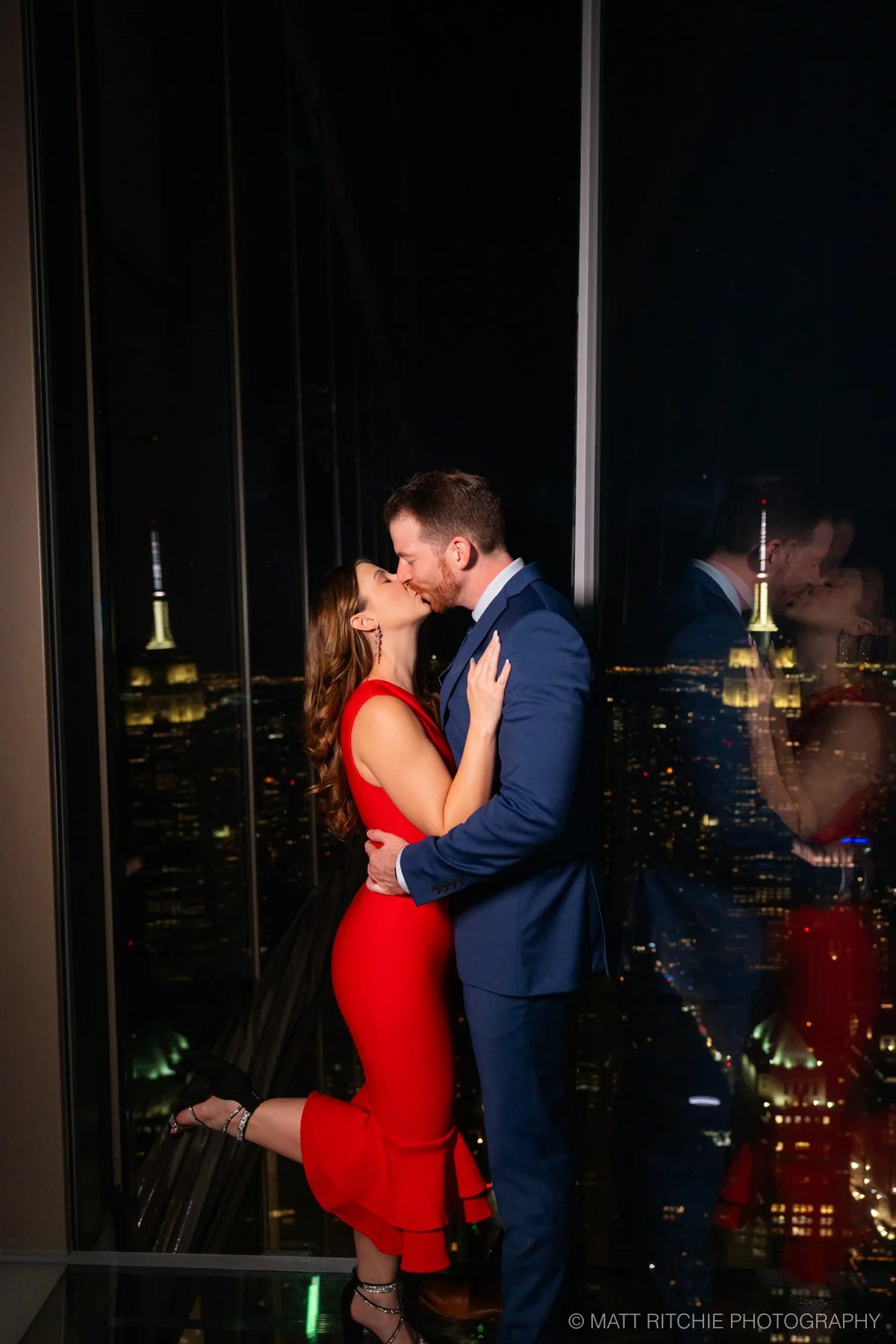
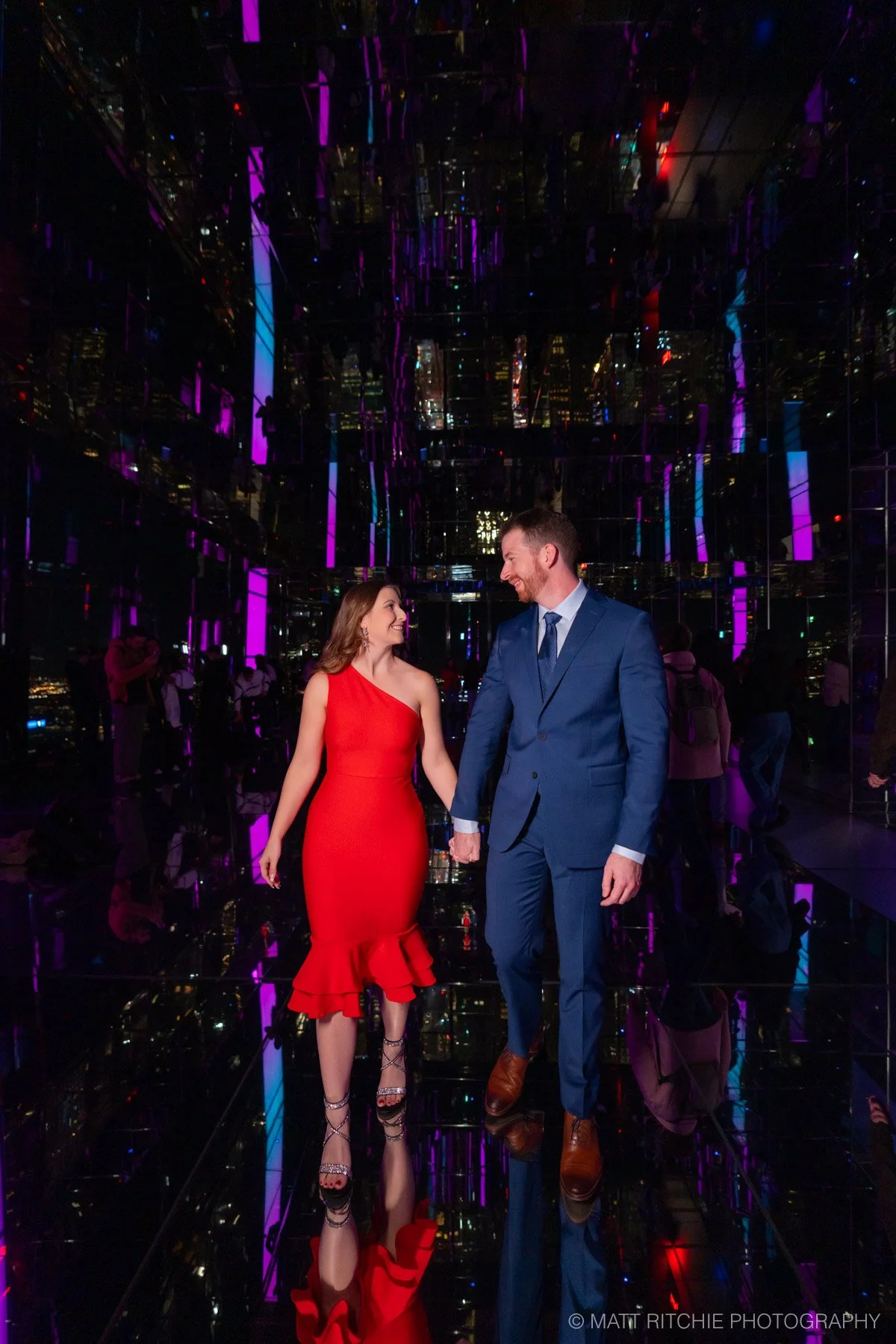
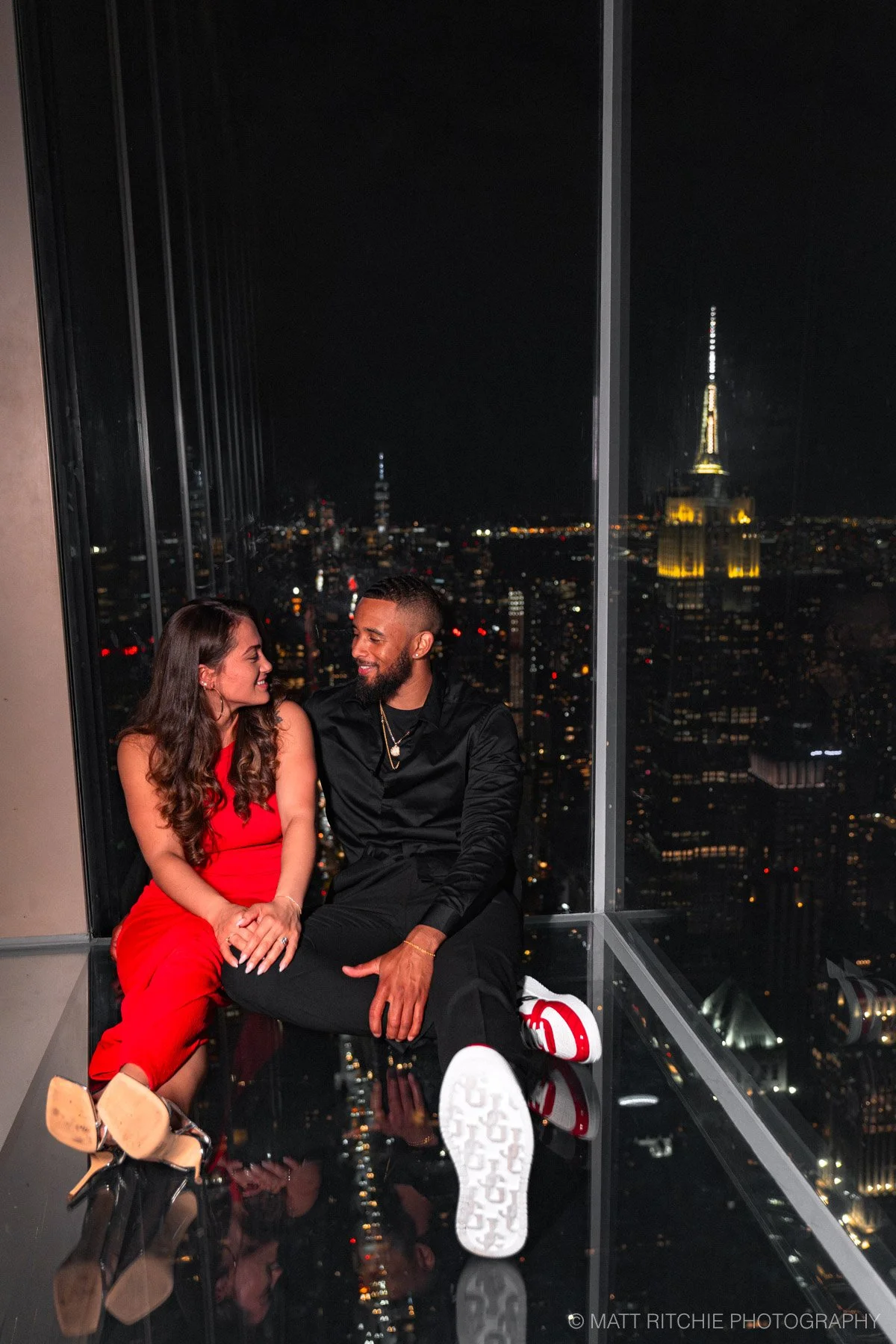
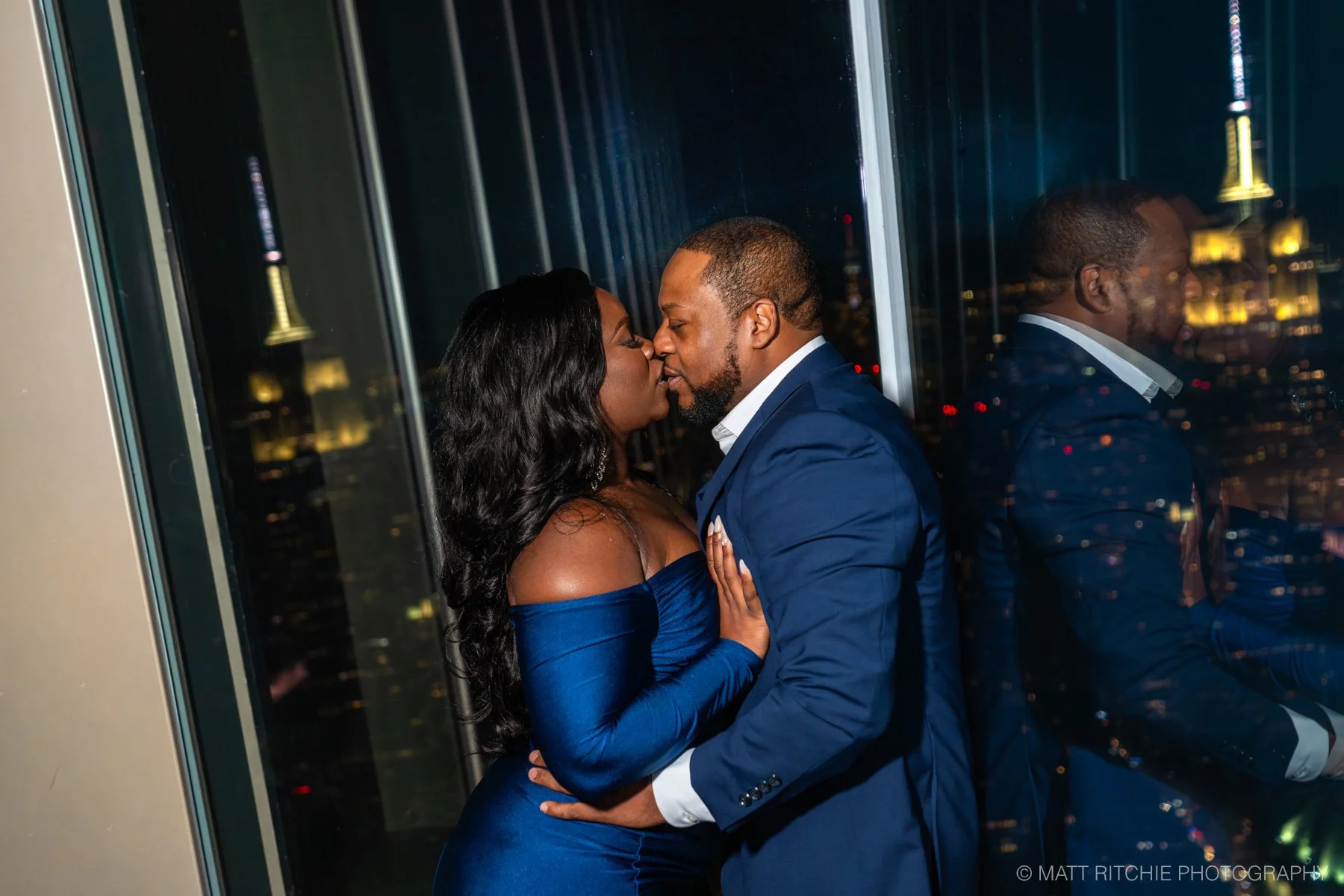
From a photography standpoint, fewer people means cleaner compositions and fewer distractions in reflective surfaces.
Timing Your Night Proposal
This timing works well for couples planning a full night around the proposal. Some arrive after a special dinner, while others propose first and celebrate afterward. Either approach flows naturally and avoids forcing the proposal into the middle of the day.
How I Photograph Proposals at SUMMIT at Night
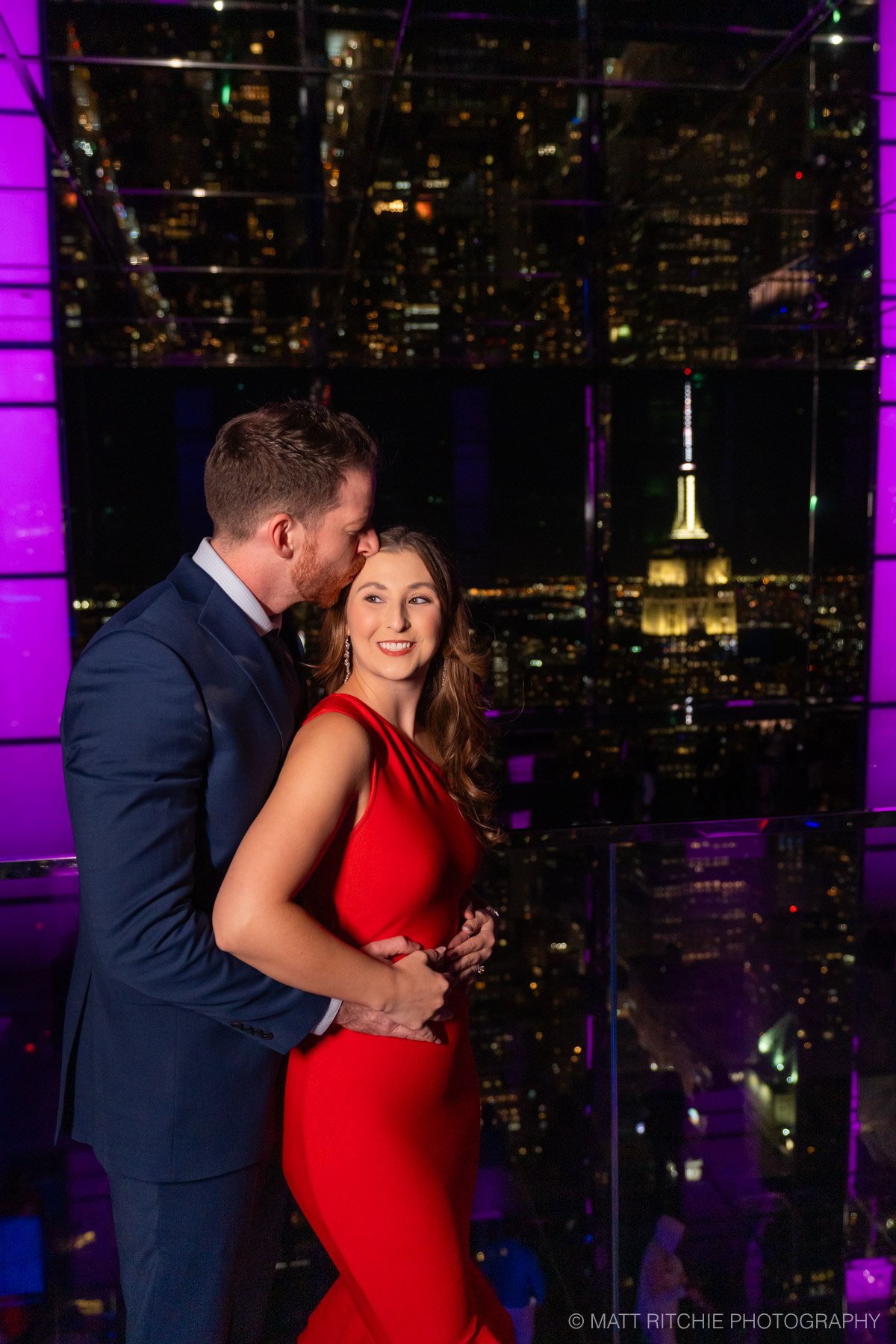
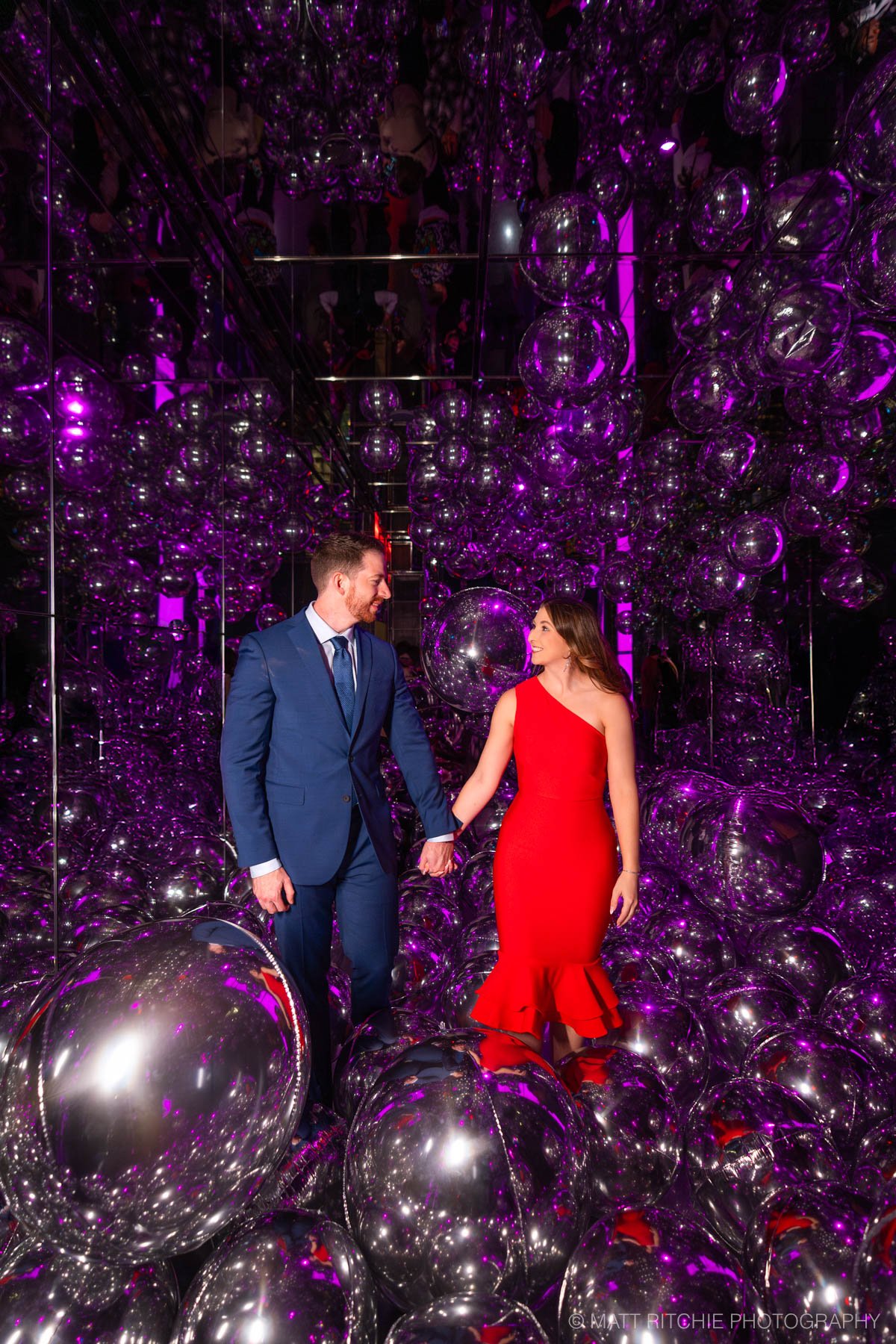
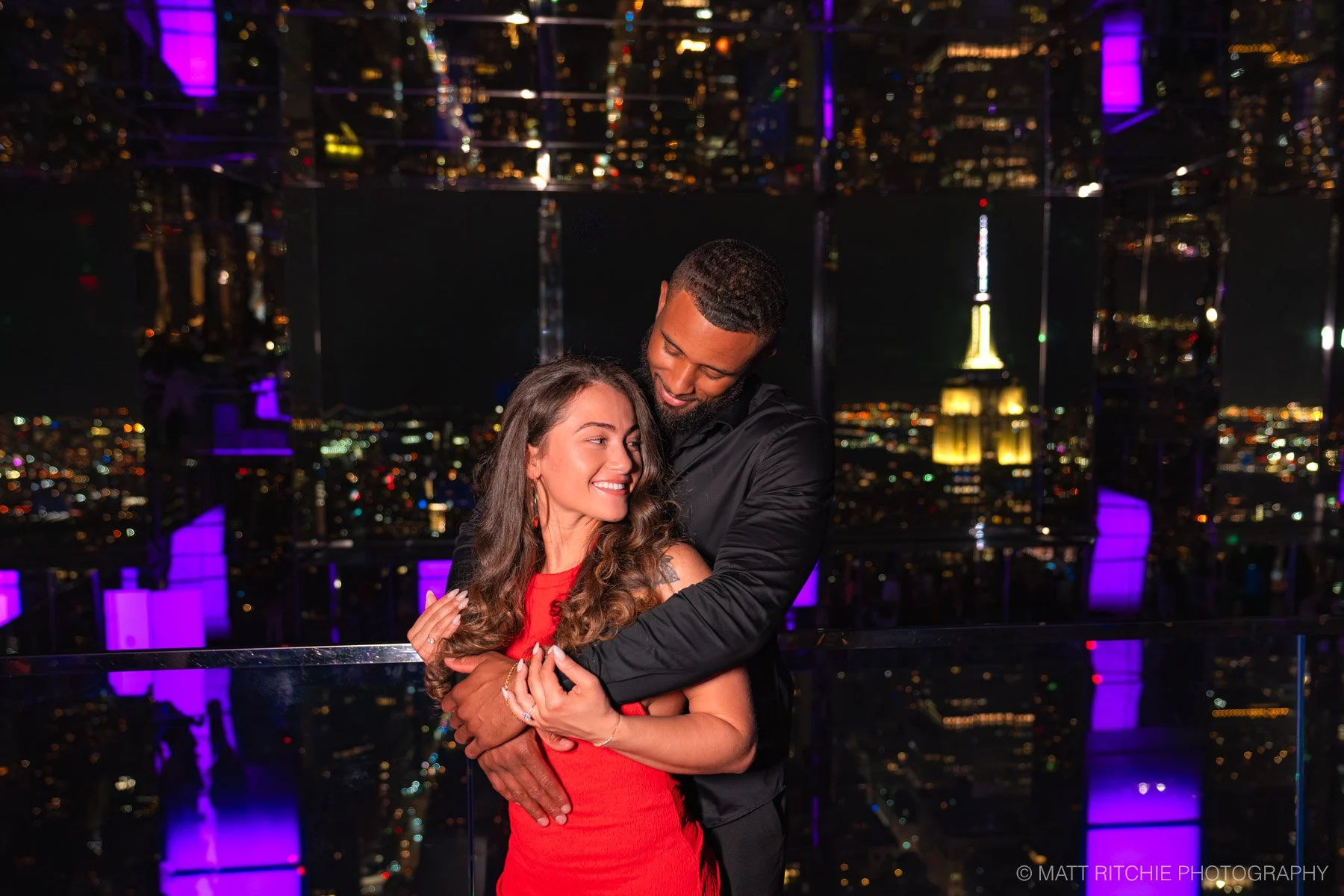
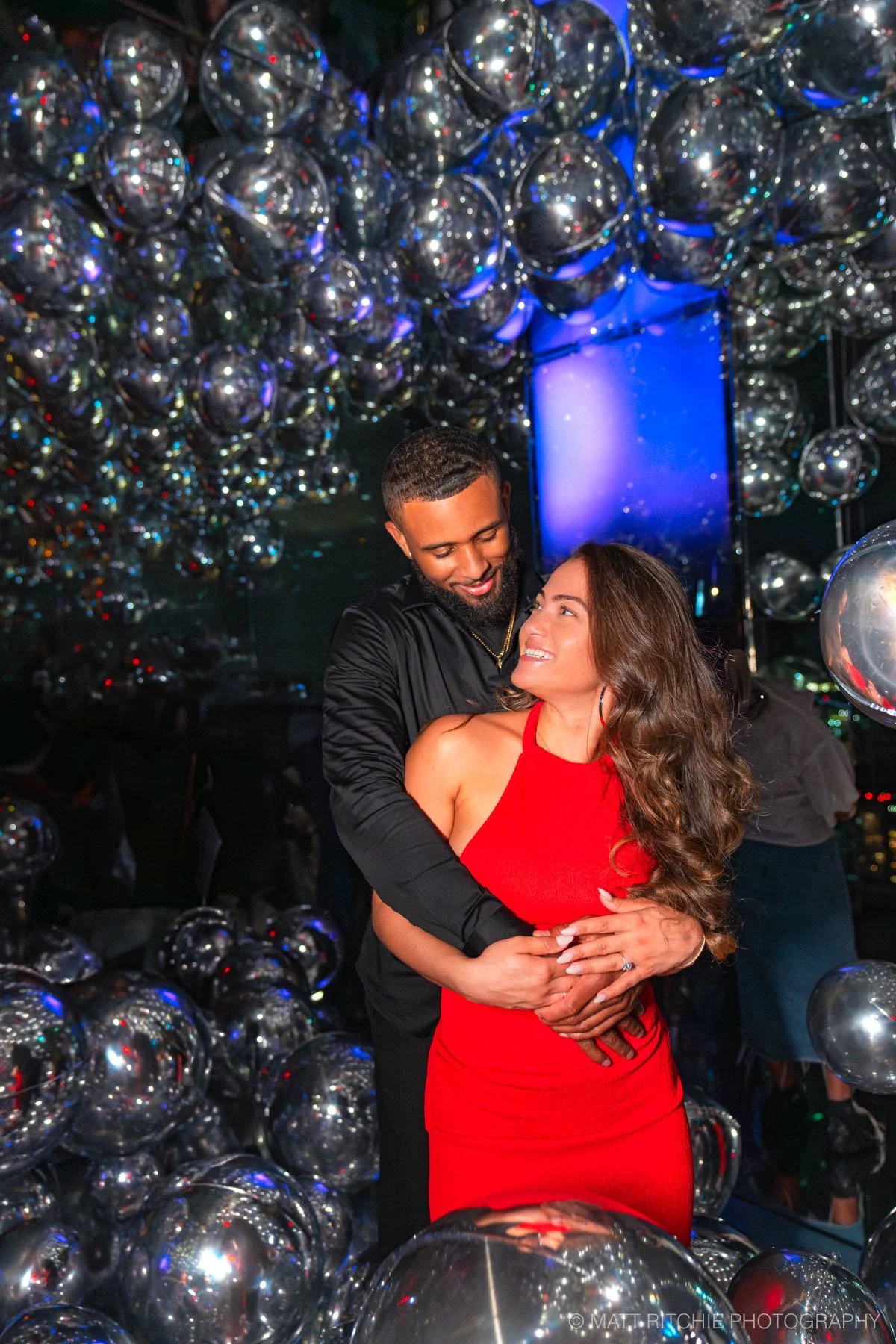
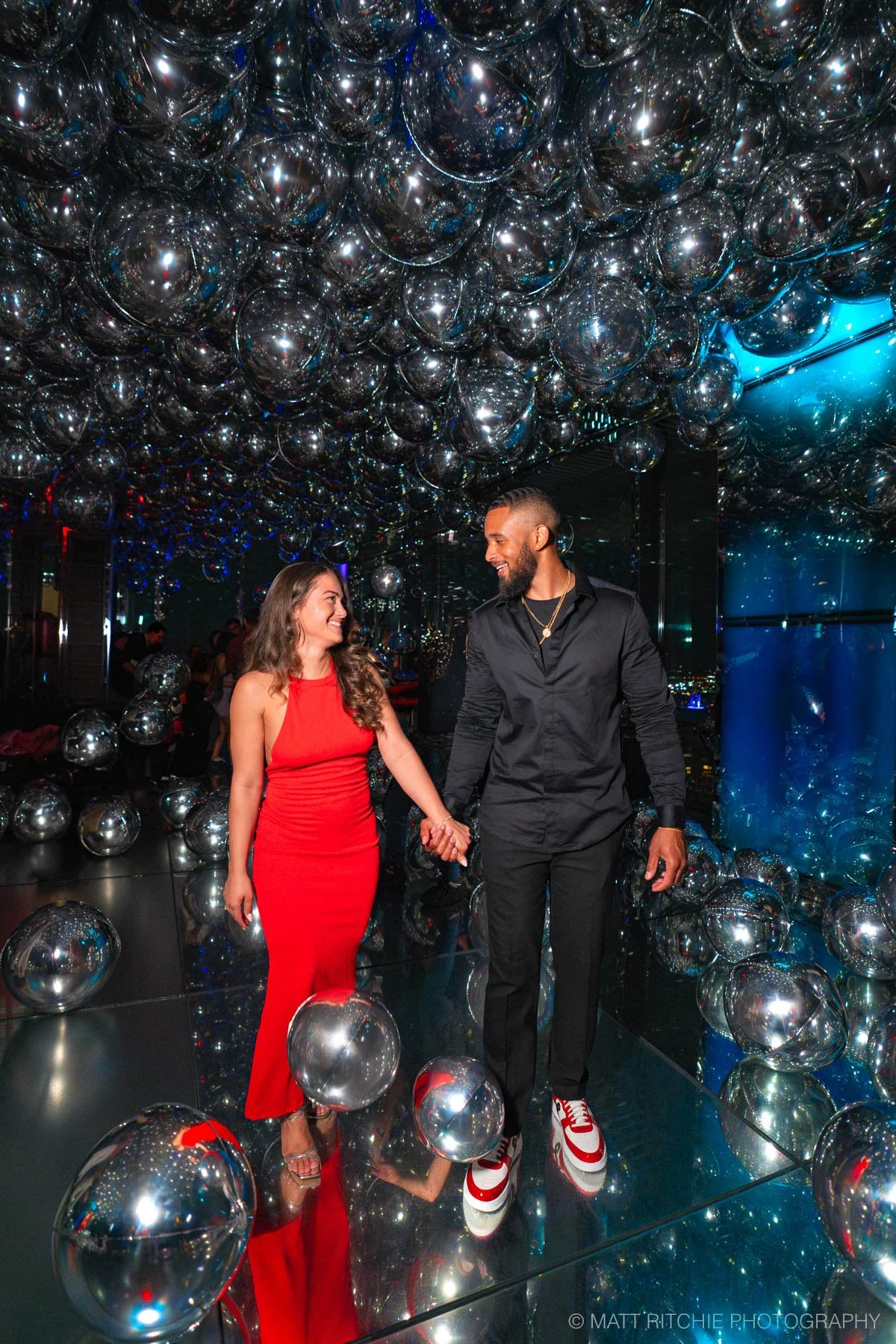
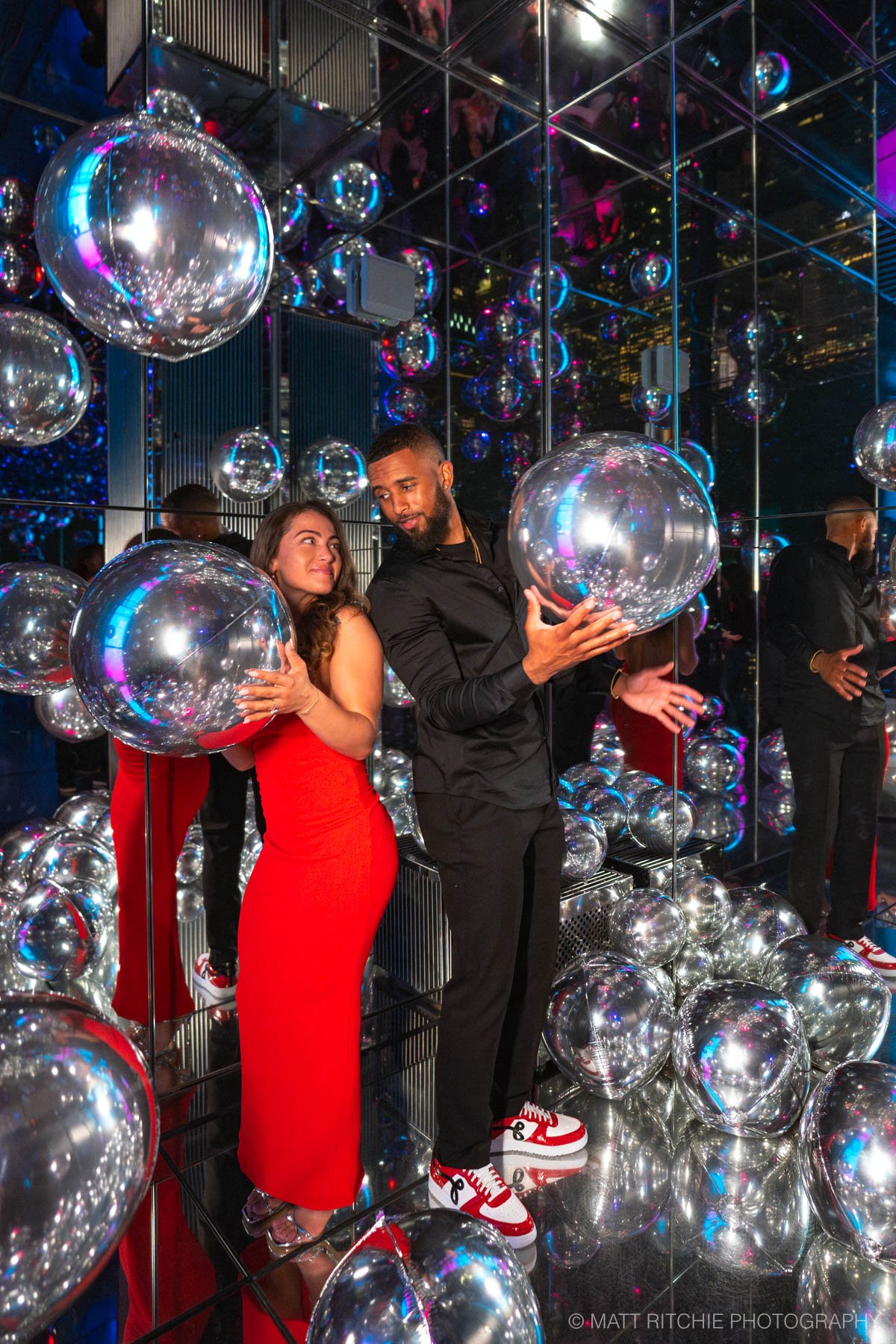
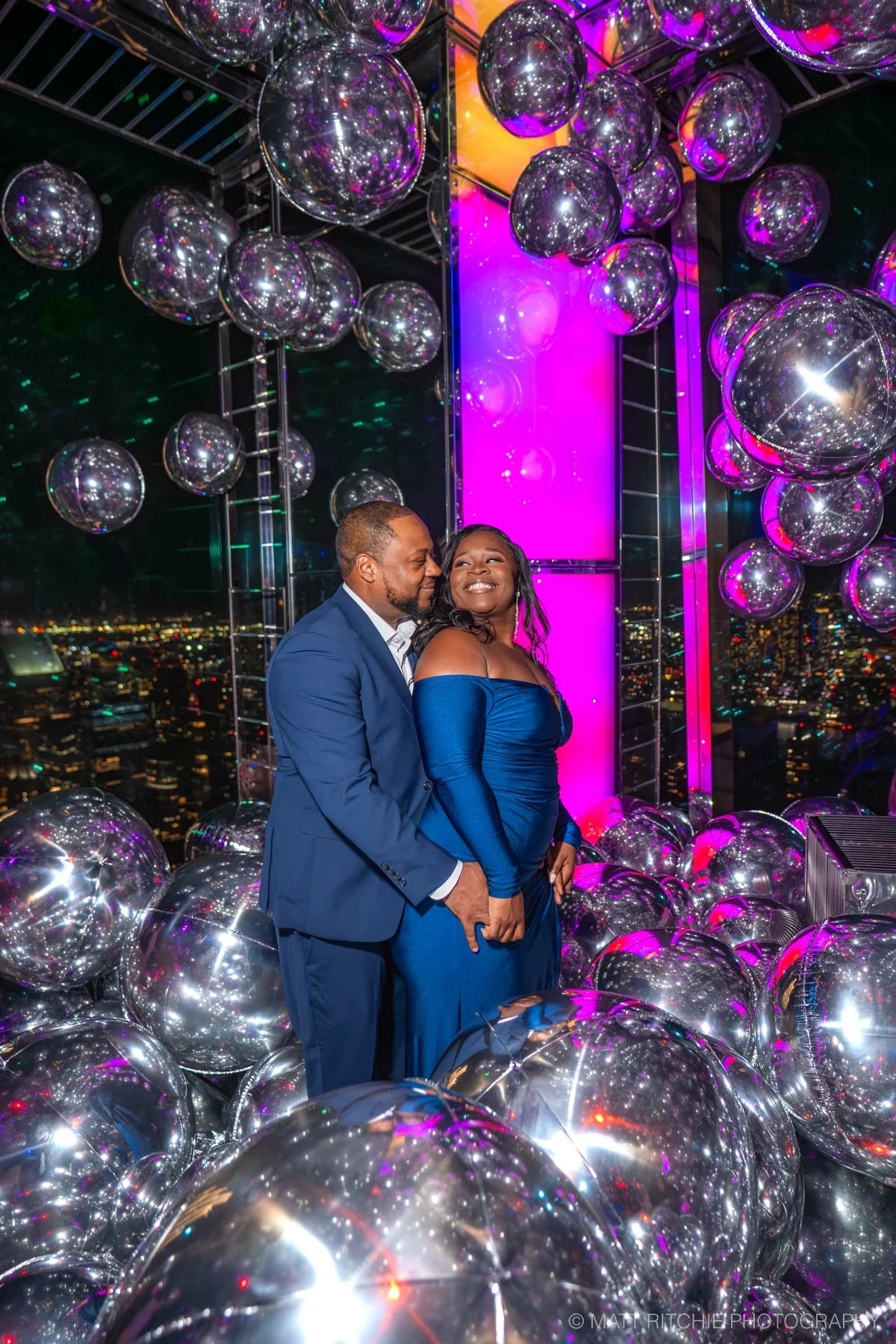
SUMMIT is one of the most technically challenging environments to photograph, especially at night. Glass, mirrors, and reflective surfaces mean light behaves differently in every direction, and relying on ambient light alone isn’t always enough to do the moment justice.
My approach is built around understanding when and how to introduce additional lighting in a way that feels invisible. Subtly shaping light so faces are clean, emotions are clear, and the skyline still feels natural and true to the experience.
That balance comes from experience. Knowing where reflections will appear and how light will bounce.
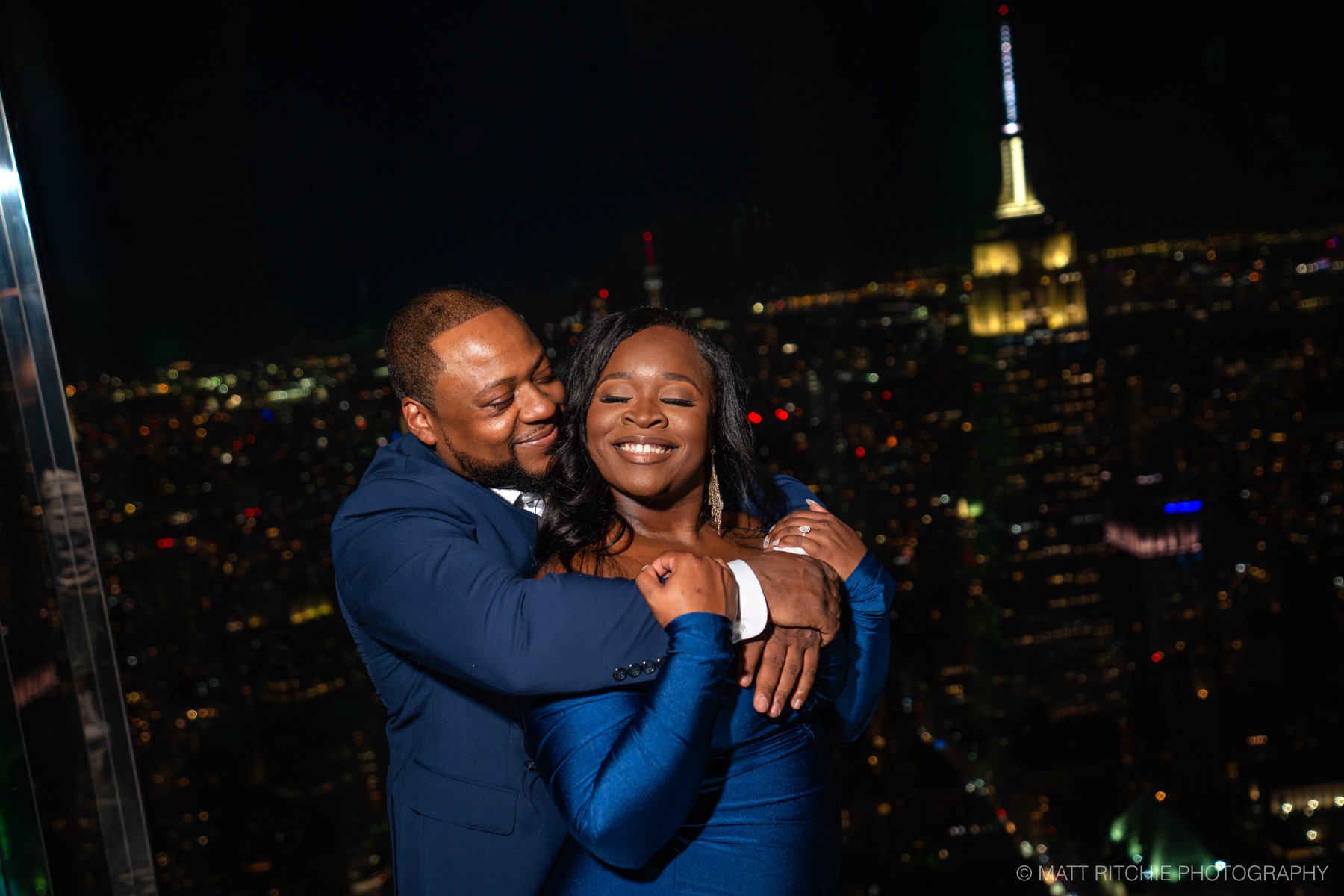
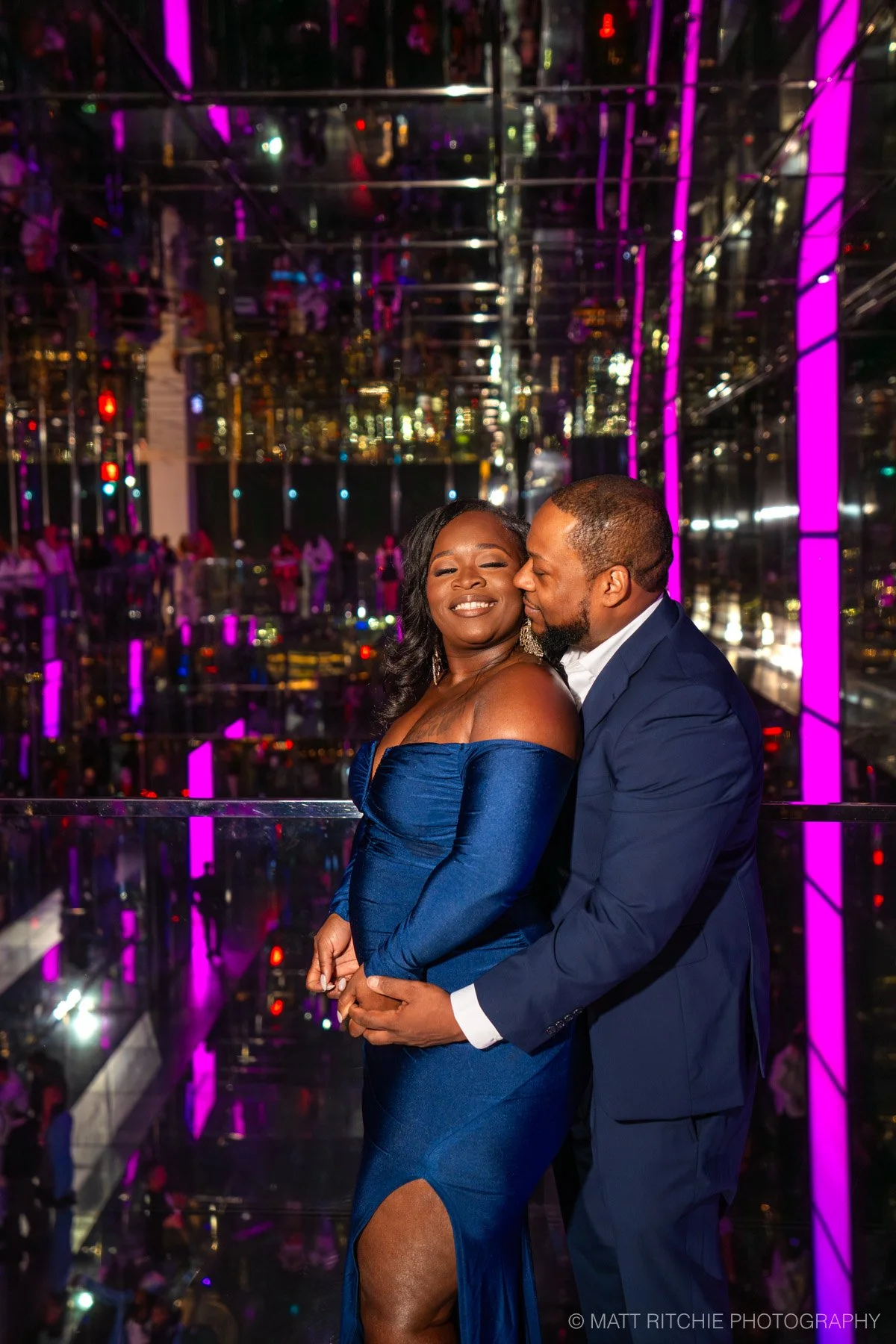
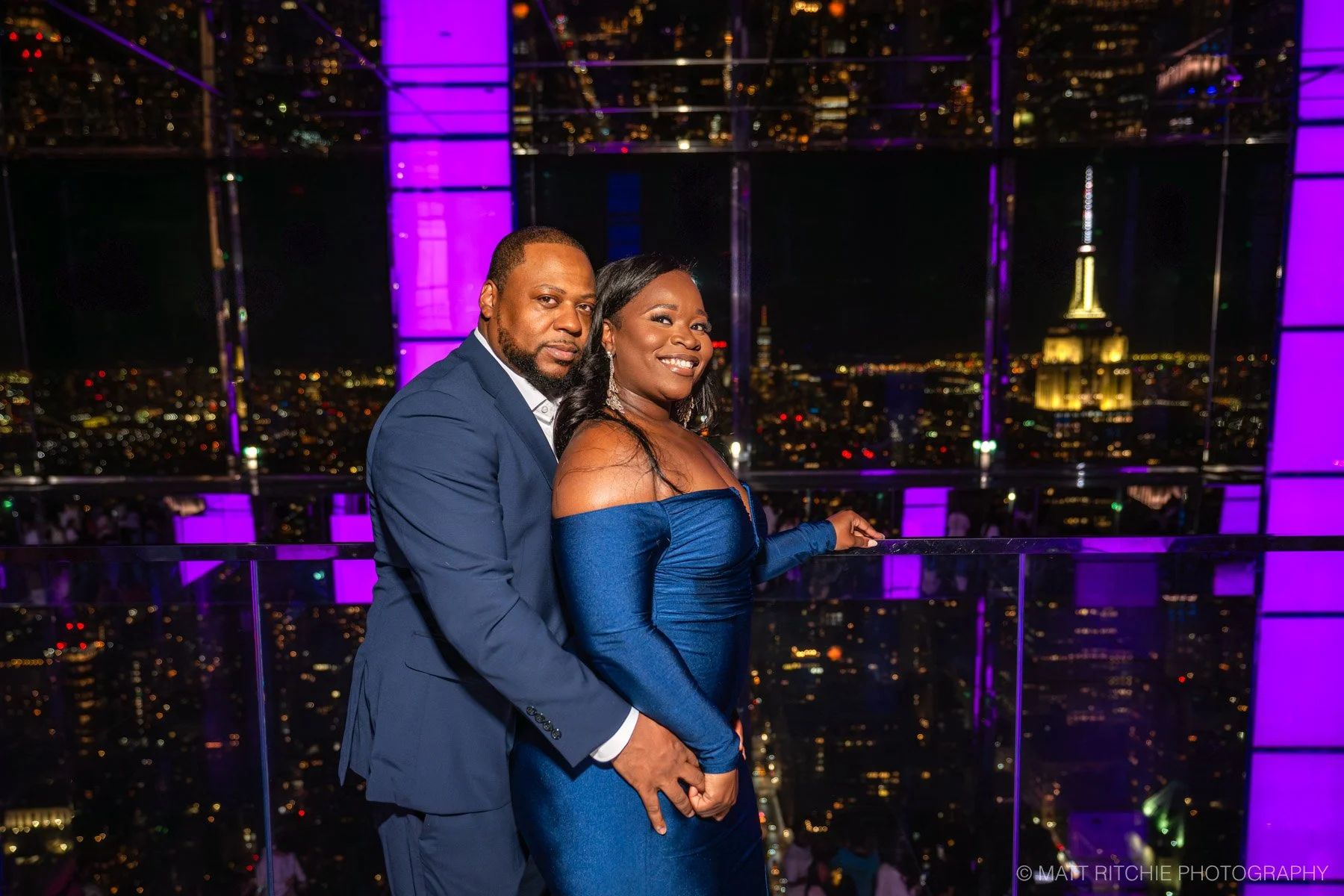
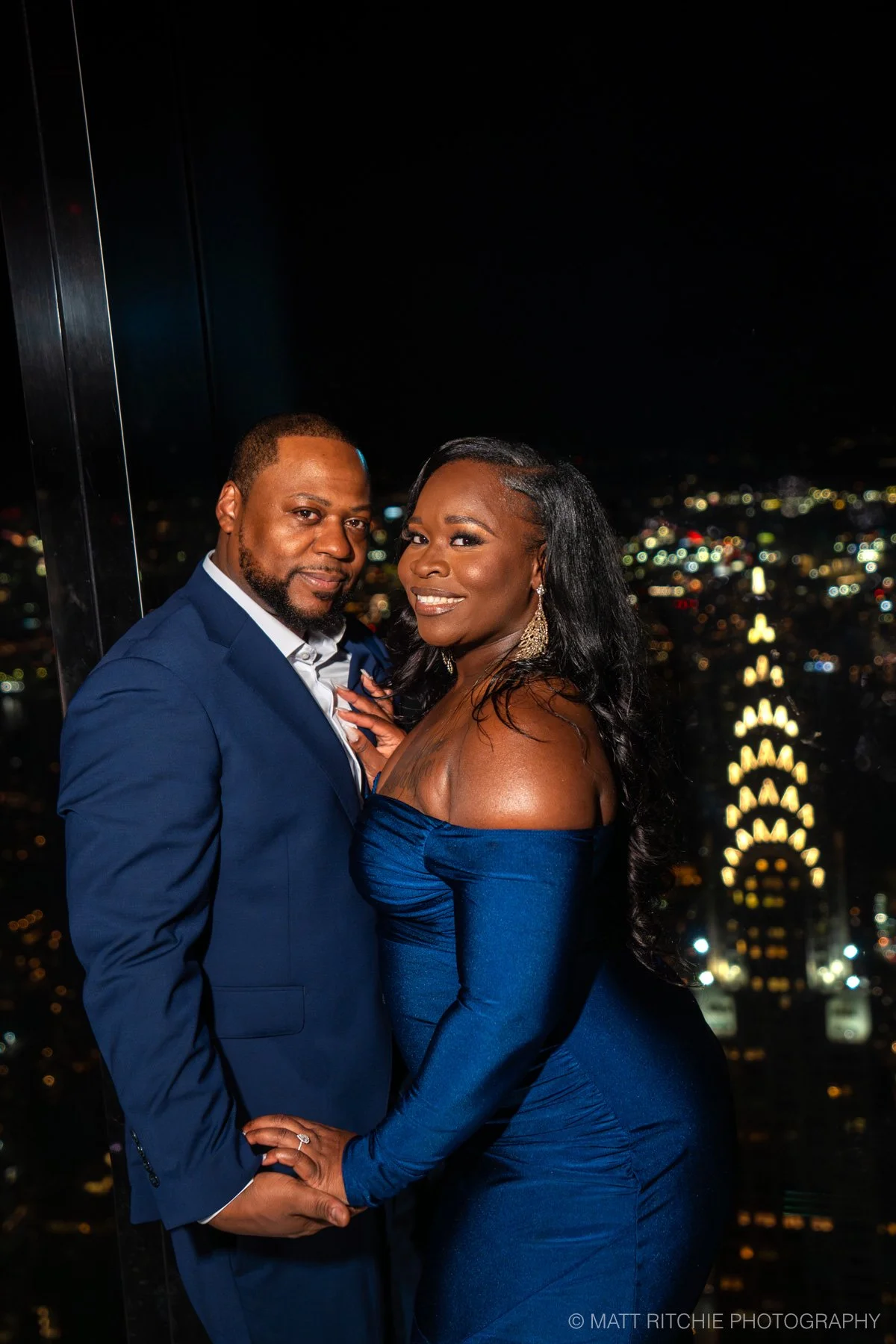
After the Proposal
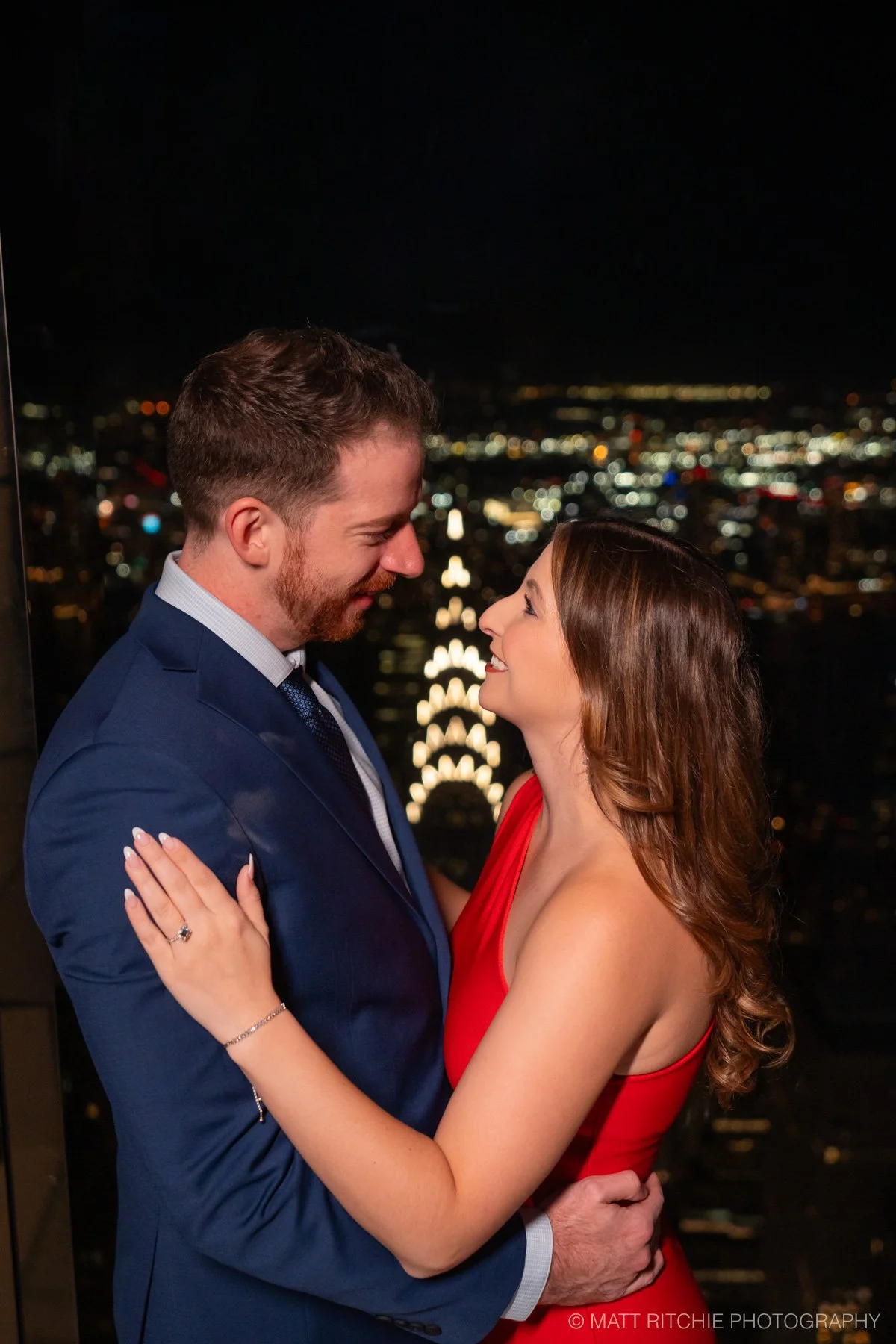
Once the proposal happens, the focus shifts naturally into an engagement-style shoot. We use the remaining time to create relaxed, natural portraits throughout the space, taking advantage of the skyline, reflections, and controlled lighting. For many couples, these become some of their favorite images from the entire experience.